
I recently came across something that made me stop and think.
A share-secured loan. Sometimes called a savings-secured loan.
Here's how it works... you put up your own savings as collateral, the credit union lends you money against those savings and then charges you interest for borrowing it.
Yes... You pay interest to borrow against money that's already yours.
WTH... Wait a minute. How does that make sense?
If I already have the money, why would I pay somebody else to lend it to me?
But there's more to the story.
These loans help people to establish installment-loan payment history or rebuild credit when they have limited borrowing options.
That's why I wanted to explore both sides... the financial irony and the circumstances in which the cost might actually buy someone something useful.
Because a product can be legitimate and still be unnecessary for your situation. |
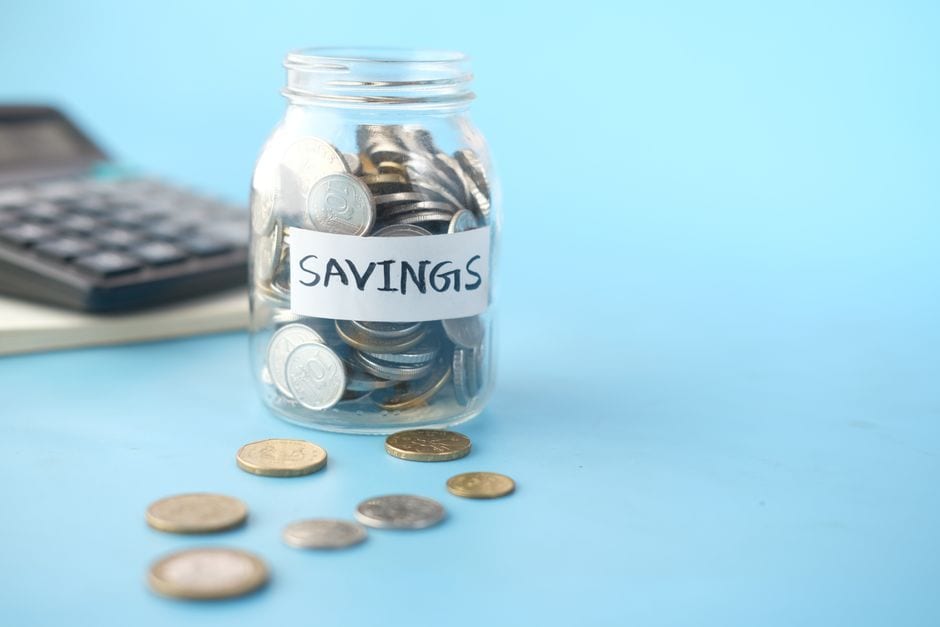 Photo by Towfiqu barbhuiya on Pexels |
 |
How Can You Borrow Money You Already Have? |
Let's say you've saved $2,000 at your credit union.
You apply for a $2,000 share-secured loan.
The credit union holds or pledges some or all of your savings as collateral while you repay the loan. It disburses the loan proceeds according to the agreement.
You now owe monthly payments that include principal and interest, even though your own savings stand behind the loan.
As you repay, some credit unions gradually release the pledged savings. Others use different release rules.
You'll need to read the specific agreement because access to your savings may be restricted while the loan is outstanding.
The underlying savings may continue to earn interest or dividends, but the loan rate may be higher than the deposit yield.
So while you're paying interest to the lender, your collateral could be earning less than you're being charged.
Imagine a purely illustrative case where a loan charges 5% APR while the pledged savings earns 2% APY. Those percentages aren't an offer from any particular credit union.
Your actual net cost depends on the loan balance over time, how interest is calculated, deposit earnings, fees and repayment schedule.
And yes, the irony is real. You are paying to use a lender's credit facility while your own money secures it.
The question is whether that credit facility provides a benefit worth paying for. |
 |
Why Would Anyone Pay for This? |
The main attraction is that a share-secured loan may be easier to qualify for because the lender holds savings as collateral.
For someone with no installment-loan history or limited credit history, the loan may provide an opportunity to make reported monthly payments.
But you should check the lender's reporting practices before assuming it will appear on all three major consumer credit reports.
Payment history is important in many credit scoring systems. A reported loan can also affect credit mix.
However, adding an installment loan does not guarantee that your credit score will increase.
Opening a new account could lower the average age of your accounts, and an application may involve a hard credit inquiry depending on the lender.
A person with a thin credit file and someone already holding excellent scores may see different results.
And if you miss payments, the loan can harm your credit instead of helping it.
In other words, a secured loan may reduce the lender's risk. It doesn't remove your repayment responsibility.
For someone trying to recover from financial trouble, that trade-off might be worth considering. For someone who already has well-established credit, the benefits may be small or nonexistent. |
 |
The Hidden Cost of Chasing a Perfect Score |
Here's a question I think is more important than whether a share-secured loan can add a few points to a credit score.
What are those points actually worth to you?
Suppose you already qualify for the most favorable rates available to you. Would paying interest, accepting a possible inquiry and restricting access to your savings materially improve your finances?
Maybe not.
A perfect score may be satisfying, but different lenders use different scoring models and credit decisions involve more than a single number.
An 850 in one scoring model doesn't mean you'll have an 850 in another.
A score increase also isn't guaranteed just because you add an installment loan. Some scoring models may respond differently depending on outstanding balances, account ages and the rest of your credit profile.
If you already have a mortgage or another active installment loan, consider whether another account fills any meaningful need.
And don't overlook the opportunity cost of tying up money that could serve as an emergency fund.
I don't want readers to confuse optimizing a number with improving financial wellness.
The purpose of building excellent credit is to give yourself options when you need them, not to buy expensive credit products for the bragging rights of a score. |

 |
Before You Sign, Ask These Questions |
If you're considering a savings-secured loan, don't stop at the advertised interest rate.
1. What will it actually cost? Ask about APR, origination fees, the repayment schedule, deposit earnings and any prepayment penalties.
2. How much of my savings will be frozen? Find out when pledged funds are released and whether you could still access enough money for an emergency.
3. Will this loan be reported? Confirm which consumer credit bureaus receive the payment history and how the lender reports the account.
4. Will applying trigger a hard inquiry? Ask before submitting your application.
5. What happens if I repay early? Early payoff may reduce interest costs but can also change the duration and balance history that scoring models see. Don't assume a particular score outcome.
6. Do I need a loan at all? Making existing payments on time, keeping revolving balances manageable and avoiding unnecessary applications may be more valuable.
If you're trying to establish credit from scratch, also compare options such as a secured credit card that reports to the bureaus and can be paid in full to avoid purchase interest when its grace period applies.
There is no requirement to pay interest simply to establish positive credit history.
My challenge this week... Before taking on any new financial product, write down the result you want and the full cost of getting it.
If the benefit is uncertain but the cost is guaranteed, think carefully before saying yes. |
I keep coming back to the same question.
If the money is already mine, why would I pay to borrow against it?
The answer is that you're paying for access to a loan and potentially a reported repayment history, not buying back ownership of your savings.
For some borrowers that might be a useful step. But it should be an informed decision, not an automatic credit-building trick.
Don't pay interest just to make a score look impressive.
Understand the lender's terms. Think about your actual goals. Consider what you're giving up in interest, fees and access to your savings.
And remember, a great credit score is a tool. The real goal is a stronger financial life.
Until next week,
Disclaimer: Guide to Perfect Credit and Credit Coach Rob provide financial education and coaching based on personal experience and research. We are not licensed financial advisors, accountants or attorneys. This content is for informational purposes only and should not be considered financial, legal or tax advice. Always consult with a certified professional for your specific situation. |

Get The 850 Pin! |
It’s more than a number... it’s a symbol of the journey. My journey started with free t-shirts and ended at 850.
What's yours?
#850Journey #CreditComeback #YouGotThis |